We no longer update this blog

For our CURRENT BLOG visit our website: http://www.gaiacreationsecoland.com/blog
________________________________________

Thursday, May 1, 2008

BENEFICIAL INSECTS

Planting insectary plants into the garden will bring these predators and pollinators to your gardens.  Eliminating pesticides and harmful chemicals is also necessary.

soldier beetle

hoverfly

ladybug

aphid mummy caused by parasitic wasp
crab spider

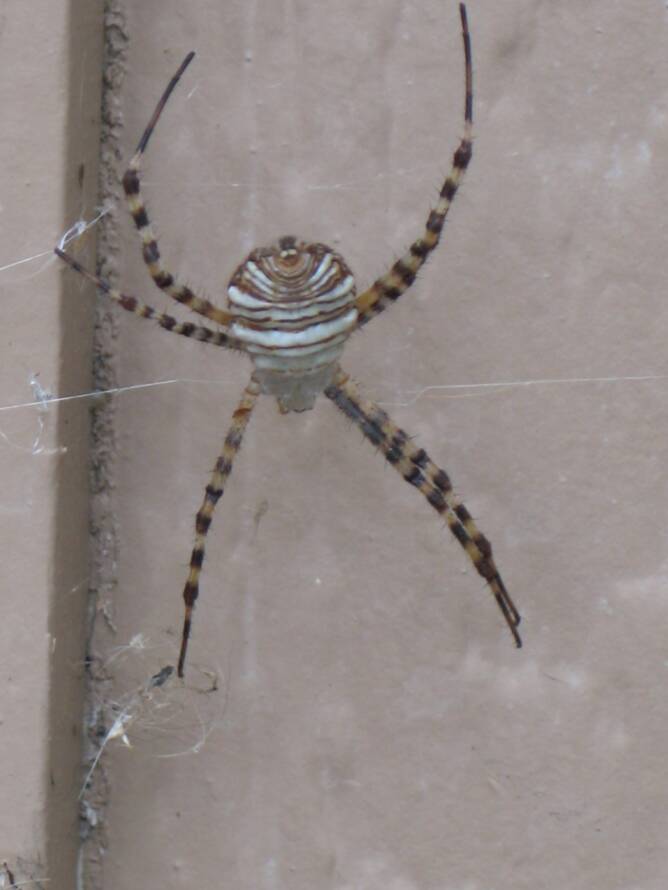
garden spider

butterfly

lacewing eggs

ladybug eggs next to aphids

ladybug larvae

ladybug

Tuesday, April 1, 2008

Culinary and Medicinal Herbs

Culinary and medicinal herbs have been a part of human heritage for thousands of years.  Many herbs used by indigenous peoples have been studied and found to be greatly important in our discoveries of past cultures and their daily life.

Herbs can mean many things to many different people; culinary plants like Thyme and Parsley, shown above, offer a staple place in the garden.  Other plants like Calendula and Feverfew, also shown above, are enjoyed for their medicinal qualities as well as their beauty.

All around the world people enjoy the grace and diversity of herbs.  Let us help you build an herb garden today!

Saturday, March 1, 2008

Cedar Waxwings

Cedar Waxwings (Bombycilla cedrorum) are migratory birds visiting our region from September through May.  They are 'intensive foragers" of fruit; up to 90% of their diet!  Waxwings are incredibly beautiful birds having red tips to their wings and a band of bright yellow on their tail feathers.  They are nomadic birds in constant search for fruit.

Grow native shrubs and trees that bear fruit for these migratory birds rather than an invasive plant like Privet.  While waxwings love the berries the spread of invasive species should be reduced. 

Fruit bearing native trees and shrubs include coffee berry, elderberry, toyon, hackberry, currants and also the vine California grape.
 
Cedar Waxwing

Saturday, December 1, 2007

ROSE HIPS

Displaying its holiday colors, the non-native Rosa rugosa (pictured above) is an attractive and habitat friendly addition to your landscape.  It happily provides shelter and food for birds, insects and more.

Historically Native Americans made tea and a vegetable like dish from the hips (fruit) of a variety of native Rose species.  Extremely high in Vitamin C and bioflavonoids rose hips can be used fresh or dried.

Be careful with Rosa rugosa shrubs in particular, they will take over a 10' x 10' area within a few years.  While a gorgeous plant and carefree it is not native to California.  Cutting it back each season is important to prevent its spread into California's wild places.